




LETHBRIDGE, Philip
Posted: April 18th, 2026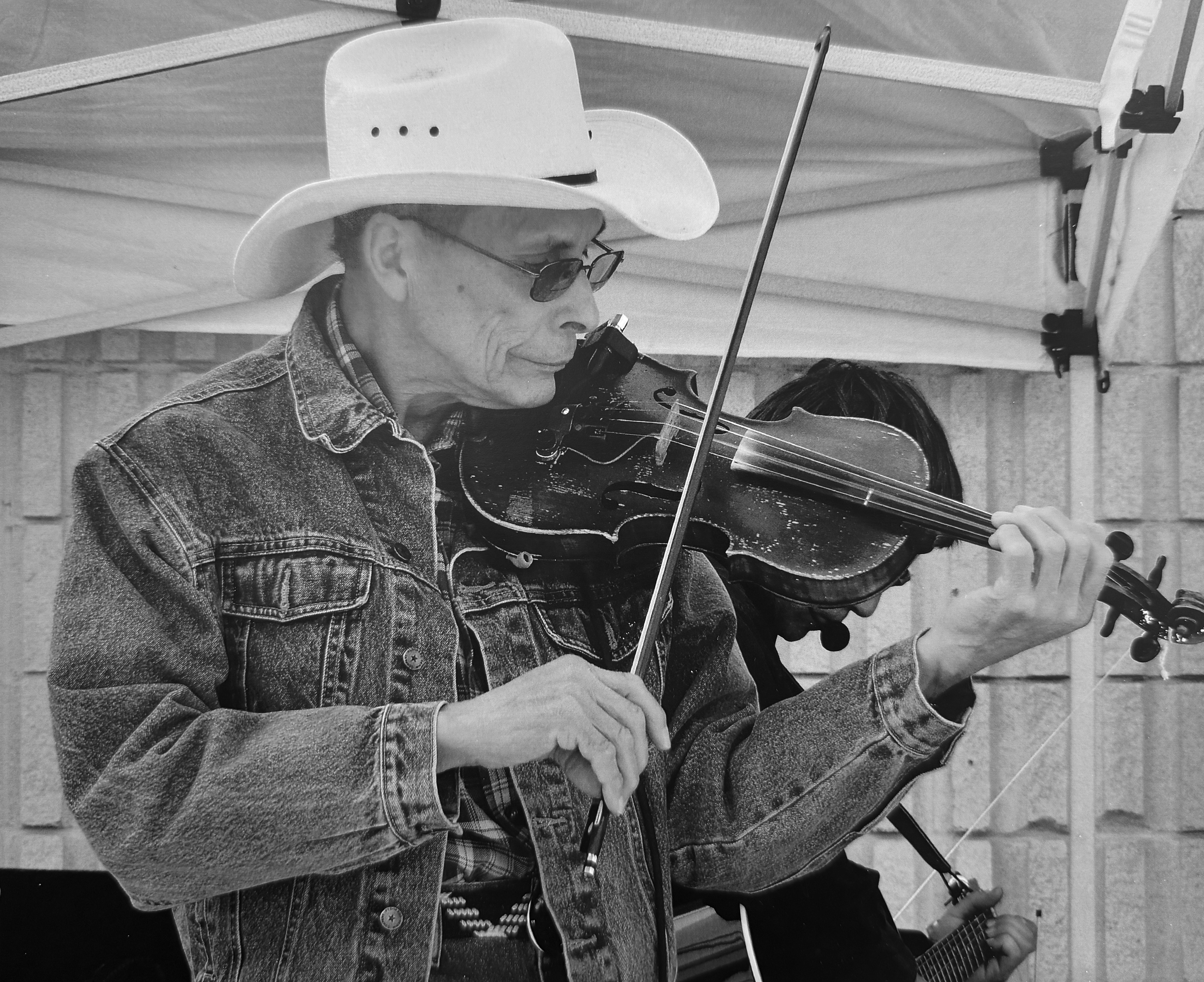
PHILIP LETHBRIDGE
Dec. 5, 1937 – April 14, 2026
Dec. 5, 1937 – April 14, 2026
Mr. Philip Reynold Eugene Lethbridge, beloved husband of Jackie Lethbridge, passed away at the Pincher Creek Health Center on Tuesday, April 14, 2026, after a short but brave battle against colorectal cancer. He had beaten this vicious, evil disease some 30 years before, but this time it was intent on taking his life.
Phil was born on December 5, 1937, in Glentworth, Saskatchewan, the third son of humble, pioneer homesteaders, William and Kathleen Lethbridge. He was born during the driest and harshest year of the Dirty Thirties. Consequently, he quickly learned what poverty was like and how to adapt to it. Their house was a small log cabin that had to be chinked yearly to keep the heat in and the cold out, and to keep the snow and the rain from coming in and to keep the bugs, insects and rodents out. When the boys became bigger, they had to sleep in a different small cabin that had a dirt floor and a sod covered roof. Crops failed, gardens were decimated by drought and insects. Many people were forced to survive on very little and many times go hungry. Phil’s family like so many others around had to rely on relief assistance to see them through. They learned how to live with very little and to waste nothing.
In spite of being poor, Phil was rich in the fact that he was blessed with a rich heritage. His Irish grandfather at the age of 12 started to work on the big ships of the day and tour the world while learning how to be a cabin boy. In time, as an adult this same grandfather would entertain the laborers during their noon break on the organ at St. Paul’s Cathedral in London. His English grandmother worked as a seamstress and a milliner in London for the wealthy women who needed new wardrobes and hats. His Lakota grandmother, Julia, at the age of 12 witnessed the Battle of the Little Bighorn where George Armstrong Custer and his men were killed. Julia was the last surviving member in Canada of Chief Sitting Bull’s Tribe. Phil’s Lakota great grandmother, Mary, was a star gazer. She passed this interest on to her daughter, Julia. Julia noticed in the sky, the night that Phil was born a new star that had not been there before. It was a very beautiful blue star. She gave Phil his Lakota name: Blue Star… Wicahpi To.
Phil attended the local country school if and when it was opened because of too few students or lack of teachers. The rest of the time he was schooled by his Mom using correspondence courses put out by the government. In Junior High and part of high school he used correspondence on his own. The last of his high school years saw him attending the schools in Fir Mountain and Wood Mountain.
He then pursued education at the post secondary level to become a teacher. He attended Moose Jaw Teachers College (the last year that it was open). He then attended the University of Saskatoon, the University of Alberta in Edmonton, and the University of Lethbridge all the while working on his B.Ed. Degree. He taught school in Eastend, Saskatchewan, Kerrobert, Saskatchewan, Calmar, Alberta in the Provincial School System. He then switched to the Federal School System where he taught at Alexander Reserve as a regular teacher, then at Alexis Reserve as a principal administrator, and then at Brocket as a principal administrator. It was during his days at Brocket that he felt the Federal Government had an agenda that he didn’t like. Close down the reserve schools and send the Indigenous students to the white schools in the surrounding area.
Try as he might, he never got anywhere with his ideas and suggestions. That’s when he decided to quit teaching.
With a young family to support and no job, he tried his hand at a few things. First of all as a substitute teacher at St. Michael’s School in Pincher Creek. Then as a bus driver for the school division; cement work with a local contractor; a carpenter’s helper for an established carpenter in the area. His interest in music never wavered. He felt that he could make a go of it. He formed the Westwinds Band and started to play for dances, night clubs, bar scenes as far west as Cranbrook, B.C., as far north as Red Deer, AB, as far east as Wood Mountain, SK. He recorded 2 Fiddle albums and was ready to put out a gospel album when a technical issue in the digital world caused the loss of all info required for the production of the album. The discouragement was too great for him to start all over again.
From very humble beginnings playing his Mom’s autoharp at age 3, to playing a small violin that his aunt had bought for him, to making his own guitars and violin type instruments from all available materials around his place, he became the musician that people got to know in the western provinces. He was influenced by musicians that he saw playing in the one room school houses for dances, his Mom on the autoharp, his Dad on the guitar and his Lakota grandmother playing a tune on the guitar that some European woman had taught her. Music became synonymous with Phil.
It was while teaching for the Federal System at Alexander in the Edmonton area that he met his future wife, Jackie, who was teaching in the Provincial System at Riviere-Qui-Barre. They soon got married and raised a family of 3 children. They would have celebrated their 63rd wedding anniversary on April 16, 2026 two days after Phil’s passing.
He is survived by wife, Jackie, Son, Victor (Dorothy), Daughter, Anita (Ted) and Daughter, Monique (Gordon) and 4 grandchildren, sister-in-law, cousins, nieces and nephews. He was predeceased by his parents Bill and Kathleen, brother Lawrence, brother Gilbert, and other relatives.
Phil was born on December 5, 1937, in Glentworth, Saskatchewan, the third son of humble, pioneer homesteaders, William and Kathleen Lethbridge. He was born during the driest and harshest year of the Dirty Thirties. Consequently, he quickly learned what poverty was like and how to adapt to it. Their house was a small log cabin that had to be chinked yearly to keep the heat in and the cold out, and to keep the snow and the rain from coming in and to keep the bugs, insects and rodents out. When the boys became bigger, they had to sleep in a different small cabin that had a dirt floor and a sod covered roof. Crops failed, gardens were decimated by drought and insects. Many people were forced to survive on very little and many times go hungry. Phil’s family like so many others around had to rely on relief assistance to see them through. They learned how to live with very little and to waste nothing.
In spite of being poor, Phil was rich in the fact that he was blessed with a rich heritage. His Irish grandfather at the age of 12 started to work on the big ships of the day and tour the world while learning how to be a cabin boy. In time, as an adult this same grandfather would entertain the laborers during their noon break on the organ at St. Paul’s Cathedral in London. His English grandmother worked as a seamstress and a milliner in London for the wealthy women who needed new wardrobes and hats. His Lakota grandmother, Julia, at the age of 12 witnessed the Battle of the Little Bighorn where George Armstrong Custer and his men were killed. Julia was the last surviving member in Canada of Chief Sitting Bull’s Tribe. Phil’s Lakota great grandmother, Mary, was a star gazer. She passed this interest on to her daughter, Julia. Julia noticed in the sky, the night that Phil was born a new star that had not been there before. It was a very beautiful blue star. She gave Phil his Lakota name: Blue Star… Wicahpi To.
Phil attended the local country school if and when it was opened because of too few students or lack of teachers. The rest of the time he was schooled by his Mom using correspondence courses put out by the government. In Junior High and part of high school he used correspondence on his own. The last of his high school years saw him attending the schools in Fir Mountain and Wood Mountain.
He then pursued education at the post secondary level to become a teacher. He attended Moose Jaw Teachers College (the last year that it was open). He then attended the University of Saskatoon, the University of Alberta in Edmonton, and the University of Lethbridge all the while working on his B.Ed. Degree. He taught school in Eastend, Saskatchewan, Kerrobert, Saskatchewan, Calmar, Alberta in the Provincial School System. He then switched to the Federal School System where he taught at Alexander Reserve as a regular teacher, then at Alexis Reserve as a principal administrator, and then at Brocket as a principal administrator. It was during his days at Brocket that he felt the Federal Government had an agenda that he didn’t like. Close down the reserve schools and send the Indigenous students to the white schools in the surrounding area.
Try as he might, he never got anywhere with his ideas and suggestions. That’s when he decided to quit teaching.
With a young family to support and no job, he tried his hand at a few things. First of all as a substitute teacher at St. Michael’s School in Pincher Creek. Then as a bus driver for the school division; cement work with a local contractor; a carpenter’s helper for an established carpenter in the area. His interest in music never wavered. He felt that he could make a go of it. He formed the Westwinds Band and started to play for dances, night clubs, bar scenes as far west as Cranbrook, B.C., as far north as Red Deer, AB, as far east as Wood Mountain, SK. He recorded 2 Fiddle albums and was ready to put out a gospel album when a technical issue in the digital world caused the loss of all info required for the production of the album. The discouragement was too great for him to start all over again.
From very humble beginnings playing his Mom’s autoharp at age 3, to playing a small violin that his aunt had bought for him, to making his own guitars and violin type instruments from all available materials around his place, he became the musician that people got to know in the western provinces. He was influenced by musicians that he saw playing in the one room school houses for dances, his Mom on the autoharp, his Dad on the guitar and his Lakota grandmother playing a tune on the guitar that some European woman had taught her. Music became synonymous with Phil.
It was while teaching for the Federal System at Alexander in the Edmonton area that he met his future wife, Jackie, who was teaching in the Provincial System at Riviere-Qui-Barre. They soon got married and raised a family of 3 children. They would have celebrated their 63rd wedding anniversary on April 16, 2026 two days after Phil’s passing.
He is survived by wife, Jackie, Son, Victor (Dorothy), Daughter, Anita (Ted) and Daughter, Monique (Gordon) and 4 grandchildren, sister-in-law, cousins, nieces and nephews. He was predeceased by his parents Bill and Kathleen, brother Lawrence, brother Gilbert, and other relatives.
To send a condolence, please visit www.edensfuneralhome.com
Our deepest sympathies to the Lethbridge family, we have many fond memories of Phil, may he rest in peace🕊️
Sincerely,
Keith & Carol Fitzpatrick
The orange blossom special will never sound the same. Thank you both for all the great music you played